Tuesday, 24 February 2015

金剛上師達真堪布仁波切:財富會障礙修行嗎?


對一個修行人來說,若是沒有看破放下,這些名聲、財富對我們來說就不是什麽好東西。也許會是一種障礙,會影響我們的修行。

有的人沒有發財之前,也信佛,也很精進。後來通過一些手段賺錢了、發財了,就開始玩樂、享受了;開始不精進了,也不學佛了。這樣,財富就變成今生解脫最大的障礙了。

有的人沒有名氣的時候,很堅信,也很精進。後來通過一些渠道,出名了,成為明星了;然後開始去享受這些,執著這些,去做一些無聊的事情。對佛菩薩也沒有信心了,也不學佛了。

有的人沒有權力、地位的時候,信佛信得很好。後來有地位,有權力了,然後開始隨意造業了。最後不但不學佛,甚至連基本的做人的標準都沒有了。
所以對于修行人來說,若是你能將這些名聲、財富轉為道用,或者能看破、放下的話,那麽這些名聲、財富對修行不會有太大的障礙;否則對修行來說會有一定的障礙。

所以,對于一個修行人來說,這些世間的福報不一定是什麽好東西,並不是什麽好事。沒有什麽可貪著的,也沒有什麽可驕傲的,更沒有什麽可執著的。大家要從各個角度來思維觀察,然後去了解、去理解,這樣對這些道理才會生起一種甚深的體會和感受。


Monday, 23 February 2015

杂阿含经卷第二十四 (第605经)

尊告诉诸位比丘说,有一个故事,说的是在过去的时候,有一只鸟名叫罗婆,被一只鹰追赶捕捉,飞腾在虚空中,无处躲闪,形势非常危急。小鸟在空中哀鸣呼唤说,我没有任何防备,忽然这么大的灾难降临到我的头上。自从舍离父母所生活的环境以来,游玩他处,所以才有此难。竟然在今天被鹰所困,不得自在。鹰对鸟说,在什么地方有你的安全自在天地境界?

罗婆鸟说,我在耕种的田地垅中有属于我的自由天地。完全可以躲避各种灾难。那是我的家,父母生我的境界。于是鹰对罗婆鸟产生了骄慢态度说,我今天放你还归耕田地垅中,我看你能否脱离了我的追捕?于是罗婆脱险鹰爪,回到耕垅中,大块的土石下面的安全住处。凭借天然复杂坚硬的地势准备与鹰展开一场校量。
鹰则大怒,你是个不起眼的小鸟,竟敢跟我斗,慎恚极盛,迅飞直下,搏击小鸟。于是小鸟赶紧躲至土石下面。鹰由于飞势凶猛,想把坚块冲碎,结果自己粉身碎骨而死。

此时小鸟罗婆藏在块石深部,仰面上说偈曰:鹰鸟虽然有强大的力量,它无奈我凭借天然地势的优势,于是激怒了它用瞋恨威猛大力,导致自撞身亡的结果。而我却因具足防备的技巧,依靠自己天然优势,战胜了对方。内心欢喜,欣赏自身的能力。既便鹰有凶狠大力而愚痴。既使有百千龙象那么大的力气,也不如我的智慧十六分之一。观我智慧殊胜,是可以摧灭禽鹰。

尊告诉比丘们修习也是这样,如果像故事中所讲的小鸟离开了自己生存的优势环境,游于他处的话,同样会招受灾难。所以你们比丘应善于斯守自境界。离他境界这一点你们要学习。所谓他处境界是什么呢?即是五欲(眼、耳、鼻、舌、身)境界。

因为眼睛看见了可心意的,便爱念妙色,欲心染著。耳能识声;鼻能识香;舌能识味;身识触。如果它们触受可意,爱念妙触,欲著心染。这就是比丘他处他境界。那么比丘的自处父母境界呢?是说四念处。哪四念处呢?
①谓身,身观念处。
②受,受观念处。
③心,心观念处。
④法,法观念处。

所以说比丘于自行处父母境界,而自游行(内心),远离他处境界(外心散乱),应当学习。


杂阿含·第一一五○经

要紧密的守护我们的六根之门,不让六根随处攀缘外境,而造作各种的身、口、意业。

Sunday, 22 February 2015

我們的心


外在的佛像一直坐在那裡,
是不會動的,會動的是我們的心。
釋迦牟尼佛现在不在這世間,
我們現在看到的佛像和唐卡,
只是在提醒我們佛的樣子,
真正能改變一切的是我們的心。

~~~~~大寶法王噶瑪巴     

Saturday, 21 February 2015

父母也是有情众生

我們平常會祈願一切眾生都離開痛苦得到快樂,這時記得要把父母觀想進去,别忘了他們不但是有情眾生,更是對我們有恩的有情眾生。

如果以前和父母關係不好,要試著原諒自己原諒父母親,能諒解要諒解,不能諒解要安忍,把過去不好的記憶從心中消除,漸漸放下對父母的負面心情。

~~~~~~~~大寶法王噶瑪巴

Thursday, 19 February 2015

How Does One Become A Buddhist? (Q&A)


(1)Q: How does one become a Buddhist?
(1)A: One becomes a Buddhist by taking the Three Refuges.


(2)Q: What are the Three Refuges?
(2)A: The Three Refuges are the Buddha,the Dhamma,and the Sangha.


(3)Q: What is the Pali word for the Three Refuges?
(3)A: Tisarana is the Pali word for the Three Refuges.


(4)Q: Who is the Buddha?
(4)A: The Buddha is the All-Knowing One.


(5)Q: Why do you seek refuge in the Buddha?
(5)A: I seek refuge in the Buddha because He taught way to end all sufferings.


(6)Q: Is Buddha your teacher?
(6)A: Yes,the Buddha is our greatest Teacher.


(7)Q: What is the Dhamma?
(7)A: The Dhamma is the Doctrine taught by the Buddha.


(8)Q: Why do you seek refuge in the Dhamma?
(8)A: I seek refuge in the Dhamma because it is the only path to end all sufferings.


(9)Q: Who is the Sangha?
(9)A: The Sangha is the Holy Order founded by the Buddha.


(10)Q: Why do you seek refuge in the Sangha?
(10)A: I seek refuge in the Sangha because they are the Holy Diciples who have understood the Dhamma.

Source : By Ye' Thu Aung (Buddhism for Beginners)

Wednesday, 18 February 2015

如何积德行善

  一人看《了凡四训》后若有所悟,找师父问道:有何方法能够简单地积德行善呢?

  禅师笑了笑说道:你平日注意说话即可。

  那人说:什么?

  禅师答:语言之间最可积德,如见人为善,以一言赞成;见人为恶,以一言谏之;人有争讼,以一言解劝;人有冤抑,以一言辩明;以至勿许人阴私,勿谈人闺阁,其功德俱无量。

Tuesday, 17 February 2015

Offering Water

I offer this pure and cool water to the compassionate Buddha who is endowed with the infinite accumulation of glory, merit and wisdom. Owing to my deed of this merit, may I realize Nibbana as soon as possible.


The Benefits of offering Water

If one does not have water to drink, he cannot live long. He will become ugly, sad, weak and stupid. If one does not bathe, he will not be clean and fresh. Therefore, the donors of water will be endowed with longevity, beauty, wealth, strength, wisdom, cleanness, fame and great retinue. They will be free from thirst.

A Story showing the Benefits of offering Water

After the Padumuttara Buddha had attained Parinibbana (the wording used instead of die for Buddha), the pious Buddhists offered pure water by pouring the Bodhi Tree(The kind of tree where Buddha stayed under there and did meditation to get Bodhi Enlightenment).

At that time one man also carried perfumed water in a beautifully decorated pot and offered it to the Bodhi Tree.

In his next existence, that man became a deva at the Tusita celestial realm. He enjoyed celestial pleasures as well as royal pleasure in his many existences. In the Gotama Buddha’s time, he became an arahat named Gandhodakiya Thera.


Source : By Ye' Thu Aung (Buddhism for Beginners)  

Monday, 16 February 2015

【愛護生命的故事】墮胎的因果報應


「墮胎等於殺人」,不僅是殺人,也是殺自己的子女骨肉,墮胎的婦女,不僅要飽受身心的折磨痛苦,而且死後也要墮入地獄。

本來肚子的孩子是來報恩的,您殺掉他,會從恩人變成仇人,本來是報仇來的,仇上加仇,所以千萬別做出害人害己的事情呢,墮胎的女子甚至害女人墮胎的男人,會一輩子不順利,不管是感情,家庭,事業,乃至身體健康,因為有個孩子永遠在您背後跟著您,恨著您,所以千萬別做出傻事情呢。

希望看到影片的朋友若曾經墮胎過!一定要好好的懺悔自己以前無知的行為~也不要有一種心存僥倖 想說有立個牌位超渡!有法師幫忙超渡就好~自己也不真誠懺悔 也不用功!這樣效果是有限的。

畢竟【這被墮胎掉的孩子會看您(父母)的一言一行是否真誠】自己一定要誠心的替墮胎的胎兒用功努力 每天能至少誦一部《地藏經》是最好的,多念『阿彌陀佛』,真誠的懺悔拜佛『念佛』回向給這些被墮胎的孩子~才能慢慢化解這孩子的怨恨心~用最真誠的心 懺悔的念頭 才能讓這孩子放下仇恨的!


Sunday, 15 February 2015

法语 (大寶法王噶瑪巴)

聞思修佛法應懂得什麼是好什麼是壞、什麼應舍什麼應取,希望大家不要迷惑錯亂於取舍,自己如理如法修持佛法,同時也如理如法指導他人善惡取舍。
然而這些在最初仍需一個發心,真實無誤的動機,如果動機錯誤,縱使你學習了二十年、一百年也沒有任何意義,也不可能利益到他人。

——大寶法王噶瑪巴《百段引導文》


任何一人只要是凡夫,都會有很多過患、問題、錯誤,沒有人是完人,但是對我們身為修行者來說,我們真正要達到的是,當我們面對其它人和自己的不圓滿時,都要試著從正面思考,而不是負面思考,這是一個修行人的根本要素。
  
——大寶法王噶瑪巴


修行的重點是改變自己的心,所有的改變都是從心開始,不是外在的改變。
不然只是會說自己學佛、學佛,說自己是佛弟子,但若沒有抓到要點,只會說嘴,只是自己欺騙自己。
最重要的是要去觀察、好好問問自己:“我為何要學佛?我有沒有想要從內心改變自己?”

——大寶法王噶瑪巴《大手印了義炬》


Saturday, 14 February 2015

十善

佛陀告诉龙王:‘一切众生起心动念不同,造作的口业及身业也就不同,因此有六道轮回。...  龙王!若能远离杀生,就可成就十种自在没烦恼的法门。

第一,对于忧愁恐惧的众生,常能给予安慰。

第二,时常会对于众生起慈悲心。


第三,永远断除一切嗔恨习气。

第四,常保身体健康,没有病苦。

第五,寿命长远。

第六,常有鬼神暗中保护。

第七,夜無恶梦,白天醒来快乐无忧。

第八,和一切众生的怨仇自然化解。

第九,没有堕入地狱、饿鬼、畜生三恶道的烦恼。

第十,命终往生天上。’

文章来源 : 林鉅晴佛教漫画专页 

Friday, 13 February 2015

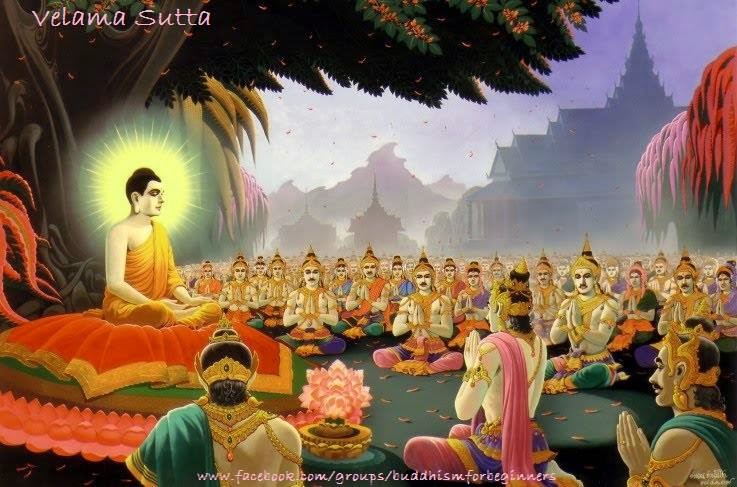
Velama Sutta (The Charity of the Brahmin Velama)

Once, the Bodhisatta was the son of a court Brahmin who officiated royal ceremonies and advised the King.  The son was named Velama.  When he was at the age of sixteen, he went to Takkasila together with the son of the King of Baranasi.  The Bodhisatta became a reliable student as he could learn quickly what the teacher taught.  The teacher frequently let him teach the prince on his behalf.

After they had completed their learning, the Prince of Baranasi and Velama returned to Baranasi.  The Prince was crowned as King.  And Velama became a court Brahmin.  One day Velama opened his warehouses and looked at the great amount of treasures which had been collected for seven generations.  He thought of making grand charity which would strike the whole of the Southern Island Continent with awe.

Then he told the King about his idea.  He ordered his men to make tripod-stands for cooking in long rows, on the bank of the Ganga River.  He asked them to build warehouse and store rice, cooking oil, butter, honey, etc.  He let his men go around towns and villages, beating drums and announcing:  “From this day onwards anybody may come to Velama’s alms-giving ceremony, enjoy foods and drinks and take any article he needs”.  The Brahmin Velama dressed himself fully and holding the golden jar filled with the ceremonial water, he solemnly said thus:  “If there are virtuous donees worthy of receiving my donation, may the water from the jar flow out, otherwise may the water from the jar not flow at all and he over-turned the jar but no water flowed out from the jar."

The Bodhisatta understood that the whole world had come to be worthless for there was not a single virtuous donee who was worthy of his donation. Nevertheless, he did not allow himself to be unhappy.  He again held the jar and poured out the water, solemnly saying:  “If the conviction and the volition of the donor are pure, may the water flow out and remain on the ground”.  The water flowed out and remained on the ground.  From that time onwards he made his offering everyday offering gruel in the morning, lunch at lunch-time and dinner at dinner-time.

This offering ceremony was so thoroughly arranged that there was no problem as to whether certain things were available and some other things were not available, and whether certain things were available at fixed times.  In fact all things were available at all times.

Brahmin Velama donated eighty-four thousand golden bowls full of silver coins, eighty-four thousand silver bowls full of gold coins, eighty-four thousand copper bowls full of silver coins, eighty-four thousand elephants decorated with golden trappings, eighty-four thousand vehicles decorated with the pictures of animals, eighty-four thousand cows, eighty-four thousand women adorned with jewellery, millions of very soft cotton blankets, etc.  As for foods and drinks, anyone who needed these could take as much as he liked.

Although he made this very great and grand donation, there was no noble done who was worthy of receiving his noble offering.  All the donees were those who did not even observe the five moral precepts.  In fact, it was a donation performed outside the Buddha Sasana and consequently it did not bear great benefits.

With respect to the greatly beneficial offerings, the Buddha said as follows:

The offering of only one meal to a Stream-winner (Sotapanna) brings more benefit than the great charity performed by the Brahmin Velama. Again, offering only one meal to a Once-returner (Sakadagami) brings more benefits than giving meals to one hundred Stream-winners (Sotapannas). Similarly, offering to a Non-returner (Anagami) brings greater benefits than offering to one hundred Once-returners (Sakadagamis).  Similarly, offering to an Arahat brings more benefits than offering to one hundred Non-returners (Anagamis) , offering to a lesser Buddha brings greater benefits than offering to one hundred Arahats, offering to a Buddha brings more benefits than offering to one hundred lesser Buddhas, offering to the Buddha and His disciples brings more benefits than all previous offerings. The donation of a monastery intended for all bhikkhus coming from all directions, brings still greater benefits.

Thus the people all over the world perform various kinds of alms-giving according to their respective custom and religious beliefs.  All of them, except Buddhists, give away their money and property with a worldly outlook of social welfare.  They offer with the main intention of becoming rich and prosperous in the present life as the result of their offering.  In reality the charity can bring great benefits not only in the present life but also in many future existences. When one performs charity, one can enjoy great benefits only when one’s giving is accompanied with threefold noble volitions, the knowledge of Kamma and Its Results (Kammassakatanana), and the opportunity to donate to the Buddha, the Dhamma and the Samgha.  This opportunity that exists only in the Buddha’s Sasana.

Therefore all the wise Buddhists should make their provisions for the journey through samsara by performing their charity in the correct way during the Buddha Sasana.


Source : By Ye' Thu Aung (Buddhism for Beginners) 

Tuesday, 10 February 2015

Look into your own actions and speech, into your own kamma

Good actions bring good results; bad actions bring bad results. Don’t expect the gods to do things for you, or the angels and guardian deities to protect you, or the auspicious days to help you. These things aren’t true. Don’t believe in them. If you believe in them, you will suffer. You will always be waiting for the right day, the right month, the right year, the angels, or the guardian deities. You’ll only suffer that way. Look into your own actions and speech, into your own kamma. Doing good, you inherit goodness, doing bad you inherit badness.


Source : Demagiri Buddha Vihara's Page